


Context:
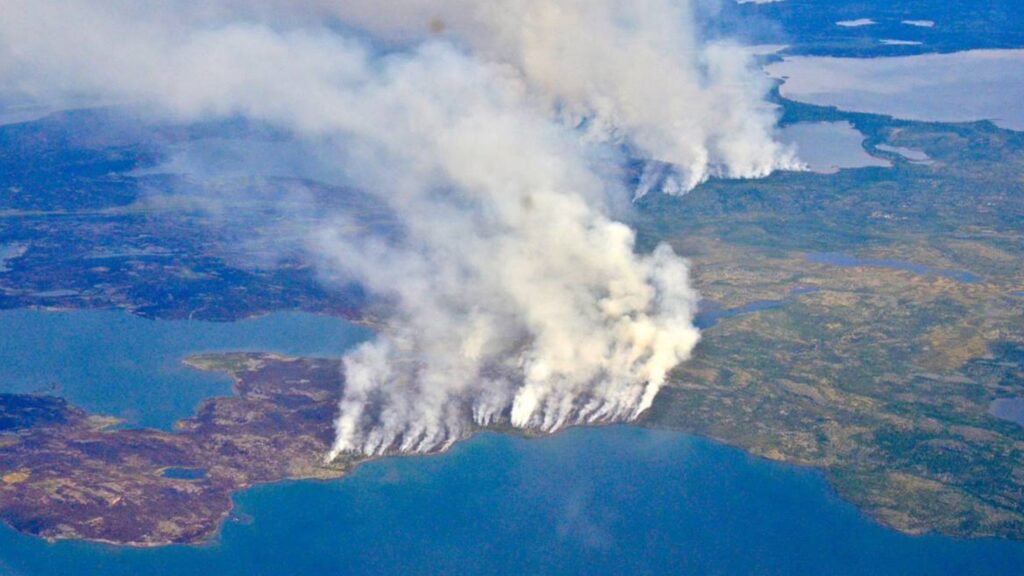
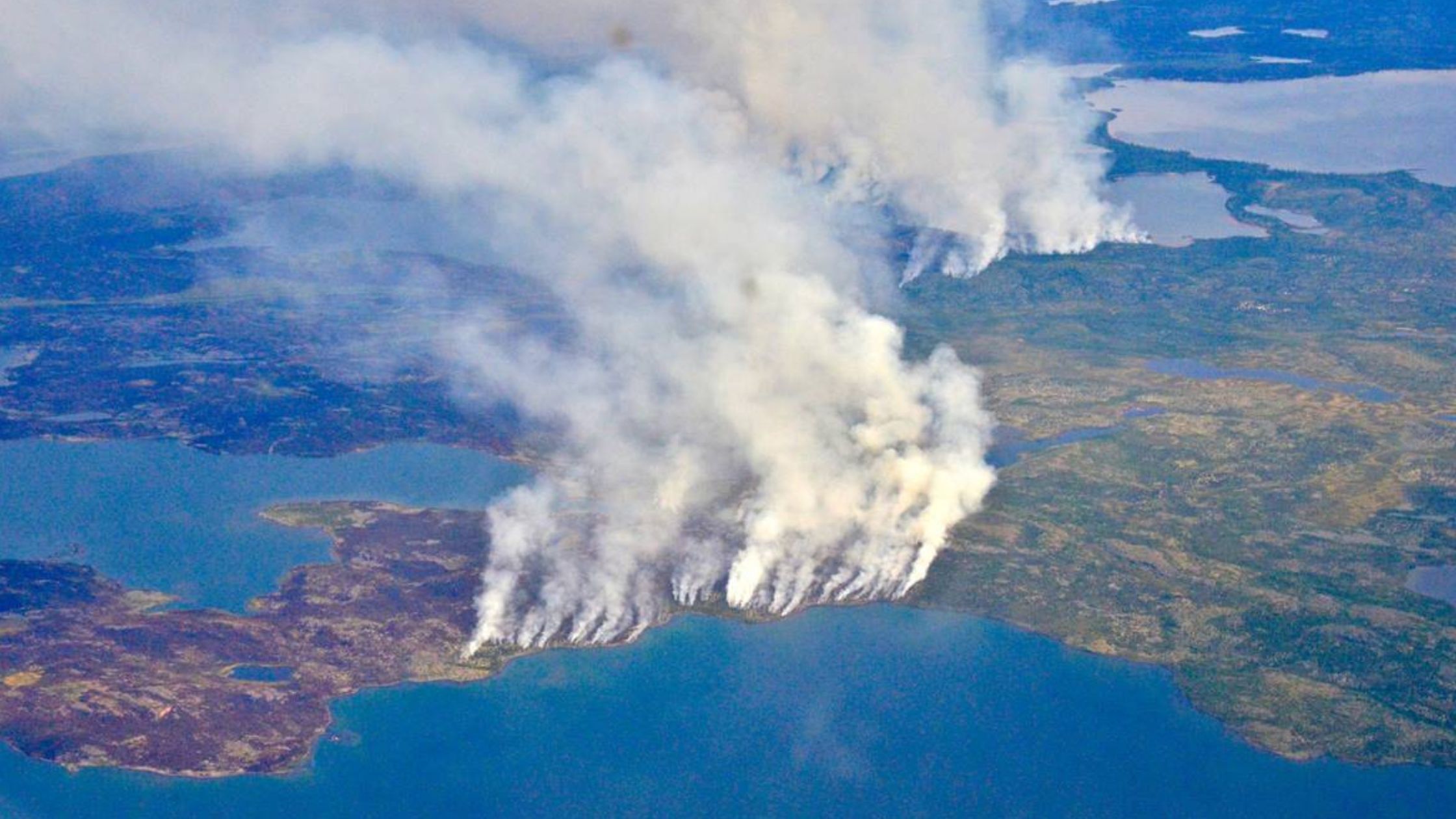
- Recently, Siberia have Burnt around 150 million tn. of carbon into the atmosphere, it is stated by report in Science journal (Global Warming is the reason behind this Fires, and in upcoming decades trapped carbon in soil will also get released.
Key Highlights of Report:
- Fires in (2019-20) Siberia has destroyed an area equivalent to nearly half of the area that got burned in the past 40 years.
- Area above the Arctic circle heats up 4 times faster than the rest of the planet, this climate amplification causes abnormal fire activity.
- Researchers of the report have concentrated on an area 5 and ½ times the size of France and with satellite pictures observed the surface area burned each year from 1982 to 2020.
- In 2020, fire burnt more than 2.5 million hectares (6.2 million acres) of land and released CO2 equivalent, as emitted by Spain in 1 year.
- In 2020 summer in Siberia was on average 3 times hotter than 1980.
- The Russian city of Verkhoyansk hit 38 degrees Celsius in summer, a record for the Arctic.
- The average air temperature in summer, from June to August, surpassed 10 degrees Celsius only 4 times in the period under study: in 2001, 2018, 2019 and 2020.
- If the trend continues; it will result more fire in arctic areas.
- Researchers doubt that this threshold at 10 degrees Celsius will be a breaking point that is surpassed more often.
- Arctic soils store huge amounts of organic carbon in peatlands.
- Such carbon is often frozen or marshy, but climate warming softens and dries peatland soil, it made large Arctic fires more often.
- Fire in Arctic areas, damages the frozen soil, known as permafrost, this releases more carbon.
- In often cases it has been trapped in ice for centuries.
- It means, Carbon sinks are transformed into sources of carbon
- If the fires continue every year, the soil quality will keep on declining.
- Higher temperatures have a variety of effects: more water vapor in the atmosphere, which causes more storms and thus more fire-sparking lightning. And vegetation grows more, providing more fuel for fire, but it also breathes more, which dries things out.
Way Ahead:
- Recently, Secretary-General warned that the earth is heading towards irreversible climate chaos.
- Secretary has urged global leaders at the upcoming climate summit in Egypt (UNFCCC COP 27) to put the world back on track to cut emissions, and keeping the promises on climate financing and help developing countries speed their transition to renewable energy.
- India is seeking climate finance and technology transfer from developed countries.
- Forests plays a crucial role in the climate change crisis and the biodiversity crisis as they absorb a net 7.6 billion metric tn. of CO2 a year.
- Declining in the forest will eventually invite climate crisis such as forest fires etc.
- A recent study found that forest’s biophysical aspects tend to cool the earth by an additional 0.5%.
- The conservation of forests, can provide up to 37% of the emissions reductions needed to tackle climate change.
- Forest-led climate action plan can prevent forest fire caused by Global Warming.
Date: 04.11.2022
Source: The Hindu
By: Sudarshan Gurjar